


Economic & Fiscal Policy
From Market Europe to Protective Europe

cepAdhoc
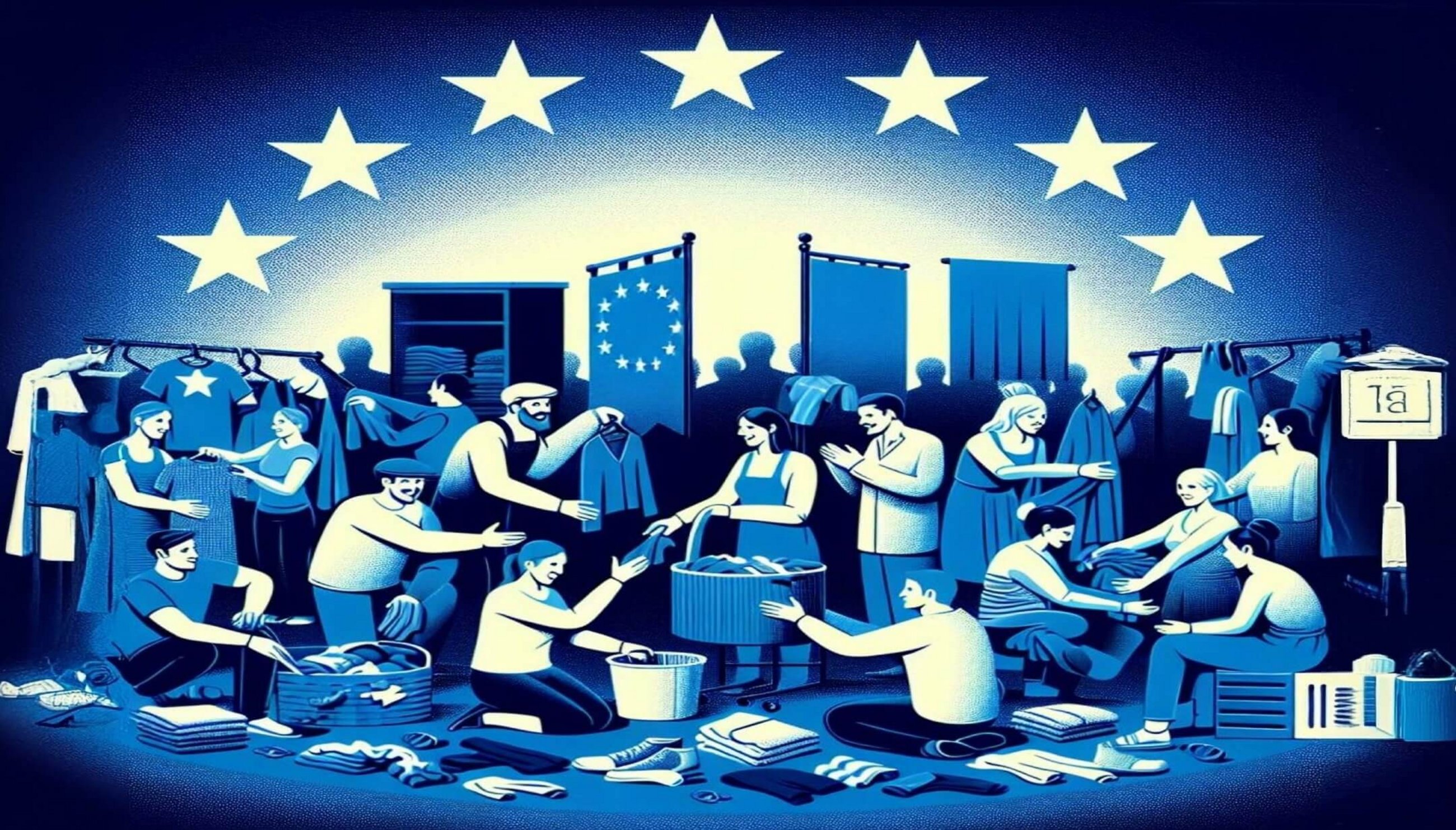
“The EU cannot strengthen its legitimacy through additional social benefits alone. The decisive factor is whether Europe can offer its citizens long-term prosperity, economic opportunities and security,” says Dr Eleonora Poli, an economist at the cep. In the study, Poli examines how the foundations of support for Europe have changed. For a long time, the EU relied primarily on economic integration, growth and prosperity. Following the many crises of recent years (the financial crisis, the euro crisis, the pandemic, the war in Ukraine, etc.), it has increasingly sought to expand its role as a protective force against social, economic and geopolitical risks.
Programmes such as the European Pillar of Social Rights, SURE, the Social Climate Fund and the new EU Anti-Poverty Strategy exemplify this shift. At the same time, the study’s data show that improved social indicators and a high level of public social spending by international standards have so far failed to halt the rise of populist parties.
The cep therefore advocates using European funds more effectively in areas where joint action creates tangible European added value: industrial competitiveness, energy security, digital infrastructure, defence and technological innovation.
“Europe must rethink protection. It is not just a matter of cushioning the social impact, but of creating the conditions in which growth, innovation and resilience can flourish in the first place,” says Poli.
The proposed EU financial framework for 2028–2034 already points in this direction. According to the proposals on which the study is based, around 23 per cent of funding is to be channelled into competitiveness, innovation, science and industry, just over 6 per cent into defence and 35 per cent into the clean energy transition.
Download PDF
| From Market Europe to Protective Europe (publ. 08.18.2026) | 648 KB | Download | |
 | |||