


Economic & Fiscal Policy
EU Anti-Coercion Trade Governance

cepInput
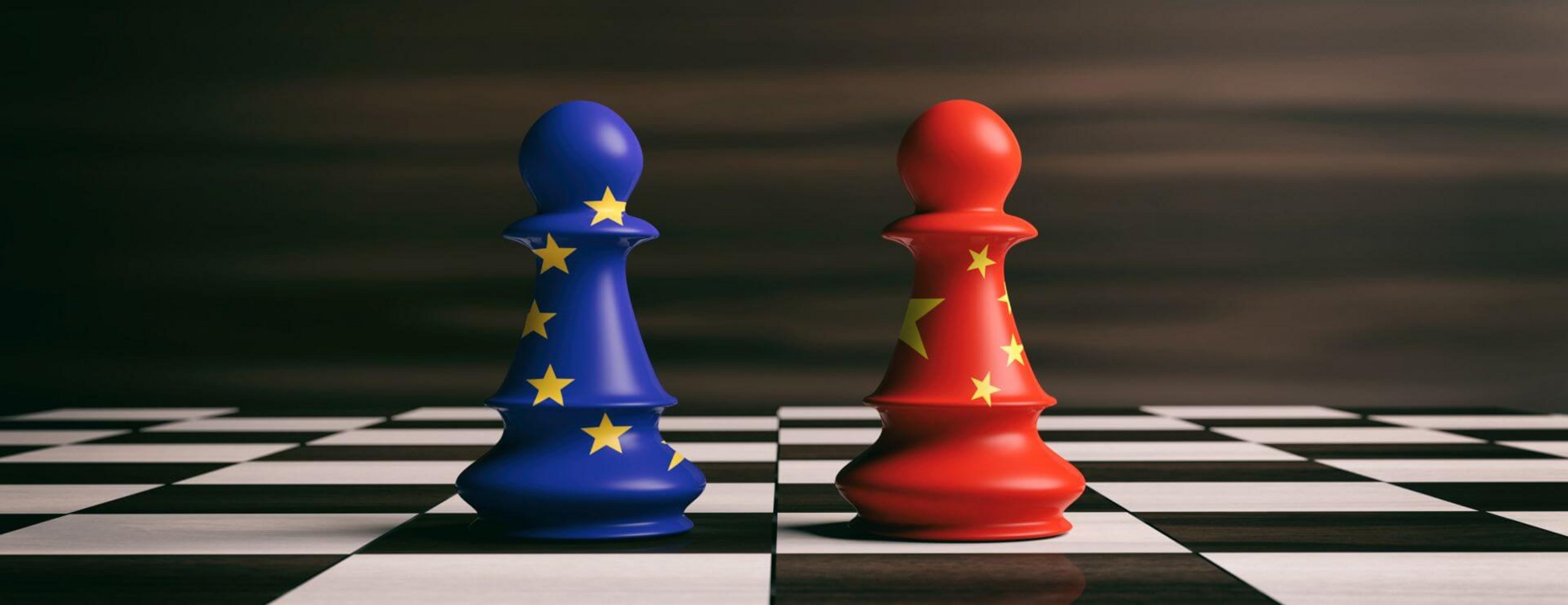
“The EU still lacks a clear strategy to protect itself against economic coercion by strategic rivals such as China or the Trump administration in the US,” says cep economist André Wolf, who has analysed the EU Regulation against economic coercion (Anti-Coercion Instrument, ACI) in a study. His key message is that the EU can best combat economic coercion by reducing its dependencies, preparing credible and coordinated countermeasures, and strengthening its internal political capacity for action and communication.
The model simulations in the study show that the EU’s trade policy countermeasures can act as an effective deterrent against countries such as China, provided that they target the opponent’s economic vulnerabilities. To maximise their effectiveness, countermeasures should ideally be implemented in coordination with the EU’s close trading partners. At the same time, they should remain proportionate to the threat in order to signal a willingness to negotiate and to avoid escalation.
Wolf emphasises that a successful anti-coercion strategy depends not only on economic instruments, but also on transparent decision-making processes, clear communication strategies and financial compensation mechanisms for companies or Member States particularly affected: “To strengthen internal EU consensus in cases of conflict, incentive-neutral mechanisms should be developed to compensate stakeholders who suffer economic damage”. At the same time, the EU should avoid engaging in a risky verbal arms race. “Part of a protection strategy should be honest communication about the possibilities and limitations of Europe’s economic countermeasures, as well as conveying a willingness to engage in dialogue with third countries,” recommends Wolf.
Download PDF
| EU Anti-Coercion Trade Governance (publ. 07.28.2026) | 778 KB | Download | |
 | |||